AI Booking Agents for Hotels: What Independents Need Ready
AI booking agents for hotels are AI assistants able to find and reserve a room for the person using them. An independent hotel gets ready for them the way it gets ready for any guest: current rates and policies that its booking systems can read, a clear website of its own, and an answer for every call.
Smarter Revolution, a US AI implementation firm, builds AI voice agents, website chatbots and AI search work. This guide is for owners and managers of independent hotels and small groups who want a plain view of what to prepare, without chasing every headline.
What is an AI booking agent?
It is an AI assistant that takes a travel request and books it, rather than only answering questions. Meta, for one, lists booking travel among the jobs its Muse agent can do, in its launch post. At least one hotel group has connected. Skift reported in October 2026 that Wyndham rooms can be booked through Muse and similar assistants, with rates coming from Wyndham's central reservation system.
That is all the news this guide needs. Everything below is about what you control, and none of it depends on which assistant wins.
What should an independent hotel have ready?
An independent hotel should have three things in order before it worries about any single AI assistant. The first is its booking engine and channel connections. They hold the rates, room types and availability that outside systems read. The second is its own website. That is where the policies, amenities, location, accessibility details and contact hours live in words a guest can read. The third is its Google presence, including the free booking links that can point a searcher straight to the hotel's own booking page. A large group may wire its reservation system into each new assistant. An independent property starts with the systems it already pays for. Go through all three and make sure they state the same rates, the same policies and the same phone number. Where two of them disagree, a guest cannot tell which is right, and a guest who finds the pet fee changed at check-in has a reason not to come back.
How can an independent hotel show its own rates on Google?
Through Google's free booking links. Google's Hotel Center help describes them as listings in Google's hotel search that point to a hotel's own booking site, and Google does not charge the hotel when someone clicks one.
Your reservation system may already handle the connection. Ask your booking engine or reservation system provider four things: whether it connects you to Google, whether it charges for that, whether your direct rate appears, and whether the link lands on your own booking page.
Keep the prices right. Google uses a hotel's record of accurate prices as one input when it picks which links to show. If Google shows one rate and your checkout shows another, fix the feed before anything else.
What should your own site state clearly?
Everything a guest needs to decide without calling you. Put it in plain text on the page, not only inside images or PDFs:
- Rooms: room types, bed configurations, occupancy and accessible room features, exactly as they are.
- Policies: check-in and check-out times, cancellation terms, deposits, pets, smoking, age requirements and parking costs.
- Amenities: what is included, what costs extra and the hours for breakfast, pool or gym.
- Location: address, distance to the places guests ask about and how to get there.
- Contact: phone, email and the hours someone answers.
For Google's AI answers there is one firm condition. Google's AI features page says that for a supporting link, "a page must be indexed and eligible to be shown in Google Search with a snippet." Check in Search Console that your rooms and policy pages are indexed.
Who answers when a guest calls late in the evening?
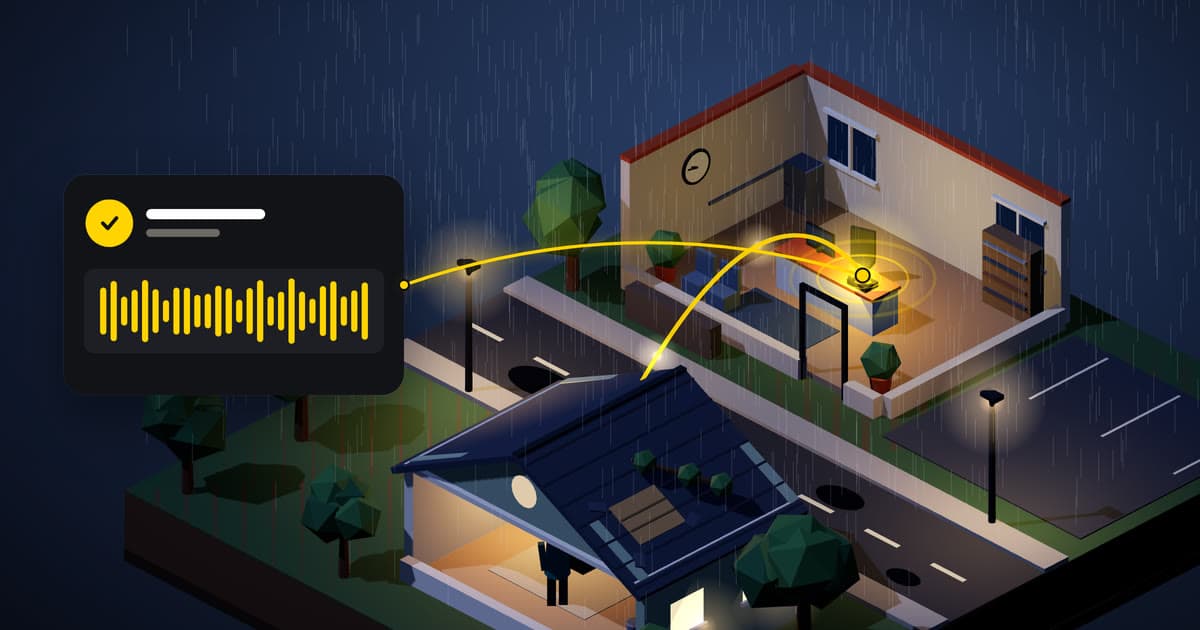
A voice agent can, when nobody is free at the desk. It answers inbound calls around the clock, asks your qualifying questions and routes each call with context to the right person, and it leaves a recording, a transcript and a summary of every call. Before you turn on call recording, confirm the consent requirements with your counsel.
How can a chatbot trained on your policies help?
A website chatbot trained on your own site, rooms and policies can qualify guests and event planners, book, write the lead into your CRM and pass it to your staff with a summary. Anything outside what it has been trained on should go to a person.
How do you check what AI assistants say about your property today?
Ask them. Pick 10 to 20 questions a guest would ask, such as "pet friendly hotels near [your landmark]" or "does [your hotel] have free parking?" Ask ChatGPT, Perplexity and Google, and record whether your property appears, whether the facts are right and which page is cited. Our guide on how to get cited by ChatGPT walks through the full monthly check.
What does it take to get ready with Smarter Revolution?
Pick one piece to start: the phone line, the website chatbot or LLM Search Optimization for your site. That service includes an audit, schema work, answer-first pages and a monthly scoreboard of citations, with no promise of placement in any AI answer.
The first step is a free 30-minute scoping call about where guest questions arrive and which systems hold your rates and policies. You get a written plan. We charge one fixed price to build your system and one monthly fee to run and improve it, both agreed in writing before work starts. The build takes weeks, not quarters, counted from when we have the access and approvals we need. After launch we keep running it, with health checks, fixes and model updates.
To see where your property stands, book a call.
Frequently asked questions
Do independent hotels need a direct connection to ChatGPT or Meta?
Not to get started. Make sure your booking engine publishes accurate rates, your site states your policies clearly, and every call is answered. Those are the parts you control.
Should a small hotel wait until AI booking is common?
There is no need to wait for the basics. Accurate rates, clear policies and answered calls help with guests booking today, whether or not they use an AI assistant.
How often should a hotel review its policy pages?
Whenever a rate rule, fee or policy changes, and on a fixed schedule as well, such as once a month. Out-of-date policy pages are one of the easiest problems to fix.
What is the cheapest first step?
Ask your booking engine provider whether your rates appear in Google's free booking links. Then check your site's policy pages for anything out of date.
Does a voice agent replace the front desk?
It is not built to. It answers inbound calls around the clock, asks your qualifying questions and routes each call to a person with context. Your team still owns exceptions, complaints and guest care.
The bottom line
AI assistants can already book rooms at some hotels. An independent hotel does not need to chase each one. Keep rates accurate in your booking systems and on Google, state your policies plainly on your own site, answer every call, and check monthly what AI assistants say about your property.
Sources
- Meta Newsroom, "Introducing Muse: The World's First Personal AI Agent Built for Everyone," September 8, 2026: about.fb.com
- Skift, "Wyndham Courts AI Booking Agents in Push for Direct Bookings," Sean O'Neill, October 22, 2026: skift.com
- Google Hotel Center Help, "About hotel free booking links" (opened October 27, 2026): support.google.com
- Google Search Central, "AI features and your website" (opened October 27, 2026): developers.google.com
Mark Alouf
Smarter Revolution is a US team that builds AI into a company's real workflows and then runs it for them. We start with one workflow and add the next when you are ready.