AI Receptionist for Contractors: What It Can and Cannot Do
An AI receptionist for contractors answers inbound calls around the clock, asks the questions your office would ask, and books qualified callers into an estimate slot or hands them to a person with notes attached. It cannot price a job, judge damage it has not seen, or decide what your crews do tomorrow.
Smarter Revolution, a US AI implementation firm, builds and operates AI voice agents. This guide sets out where the line sits, so you can decide whether one belongs in your office before anyone tries to sell you one.
What does an AI receptionist actually do for a contractor?
An AI receptionist is a voice agent that picks up your business line, works out why the person is calling, and either finishes the task or passes it to the right person. It is not a voicemail box and not a call center script. It follows the rules you write: which questions to ask, which answers it may give, which calls count as emergencies and who gets each kind of call. For a contracting business, that means the same short list of calls your office handles every week. A homeowner wants an estimate. A property manager reports a problem on a job you finished. A supplier needs your purchasing contact. A salesperson wants ten minutes of the owner's time. The receptionist sorts each one, collects the details your team needs, books the estimate if the caller qualifies, and sends everything else to a named person with a summary. When the call ends, your team has a record of what was said instead of a missed call notice.
What that looks like in practice:
- Answers inbound calls around the clock, including after hours, on weekends and while your team is busy.
- Sorts the call: new work, service on an existing job, a warranty question, a supplier, a subcontractor, or a sales pitch.
- Answers routine questions from information you already hold: your service area, the trades you cover, residential or commercial, your hours, and how your estimate process works.
- Asks your qualifying questions: the property address, the type of work, rough scope, timing, whether the caller owns the property, and how they found you.
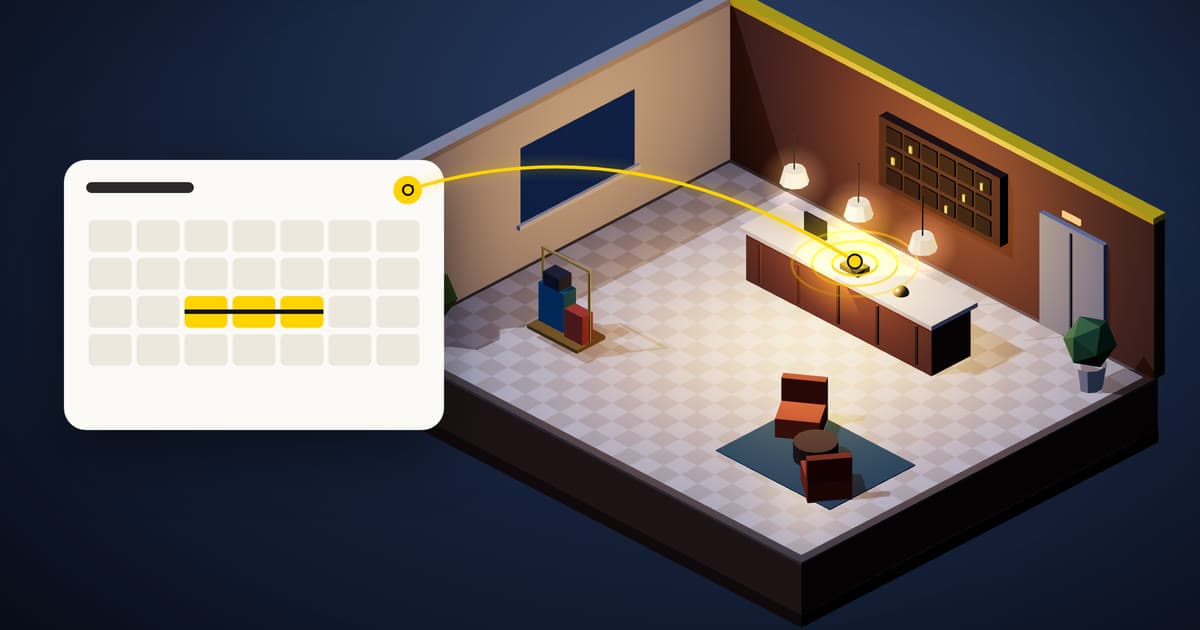
- Books qualified callers into a live calendar slot for an estimate or site visit, following the rules you set.
- Routes everything else to a named person, with the call details attached so the caller does not have to repeat themselves.
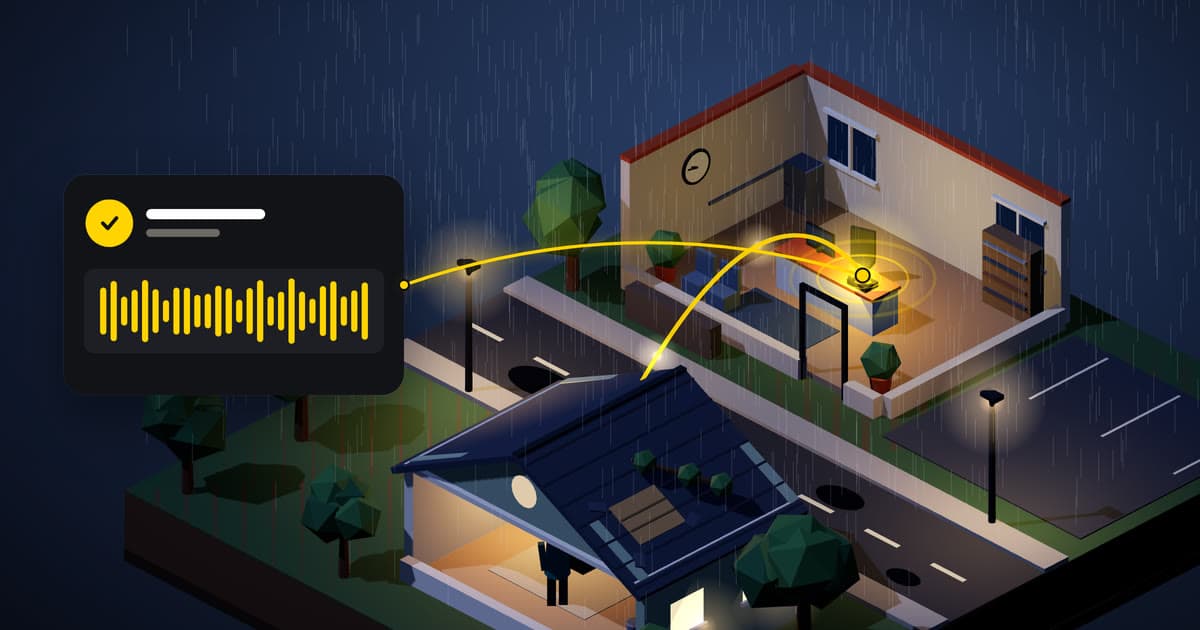
- Leaves a record: each call can produce a recording, a transcript and a written summary. Before you turn on call recording, confirm the consent requirements with your counsel.
That last point matters more than it sounds. When a customer later says "I told your office the leak was in the basement," you can check.
Why do contractors miss calls in the first place?
Because the people who could answer are doing the work. The owner is on a roof or in a walkthrough. The project manager is on a site with poor signal. The office manager is running payroll or chasing an invoice, and the phone rings during all of it.
What can an AI receptionist not do?
An AI receptionist is good at structured conversations with clear rules. It is poor at anything that needs eyes on site, money decisions or judgment about your schedule.
- It cannot price a job. Estimates depend on site conditions, materials, access and what is behind the wall. A number given over the phone can become the number the customer holds you to. Set it up to explain how your estimates work and book the visit instead.
- It cannot diagnose. It can ask structured questions ("Is water coming in right now?" "Is anyone without heat?") and flag urgency, but it cannot judge damage.
- It cannot make dispatch decisions on its own. It can follow written rules, such as sending an after-hours emergency to your on-call phone, but you write the rules.
- Upset callers belong with a person. Set a rule that any caller who asks for a person is passed to someone on your team quickly.
- Outbound calls need your counsel first. In a February 2024 Declaratory Ruling, FCC 24-17, the Federal Communications Commission confirmed that the Telephone Consumer Protection Act's restrictions on "artificial or prerecorded voice" cover "current AI technologies that generate human voices." The ruling says such calls "require the prior express consent of the called party to initiate such calls absent an emergency purpose or exemption." It adds that where these calls carry an advertisement or telemarketing, the FCC's rules require "the prior express written consent of the called party." Check with your counsel before any AI voice makes outbound calls. This is general information, not legal advice.
- It only knows what it has been told. If your service area changes and nobody updates the agent, it gives the old answer with full confidence.
That last limit gets worse the longer nobody owns it, and it is why Smarter Revolution keeps operating the agents it builds rather than handing over a login.
Which calls should it take, and which should go to a person?
Split calls by what the caller needs, not by time of day. Here is a starting split you can adapt:
| Call type | AI receptionist | Person |
|---|---|---|
| New estimate request | Qualifies the caller and books the visit | Reviews the booking |
| Emergency (active leak, no heat, safety risk) | Flags it and transfers to on-call at once | Decides what to dispatch |
| Status of an existing job | Takes job details, or answers if connected to the schedule | Handles specifics and problems |
| Change order or dispute | Takes the details and routes the call | Owns the call |
| Supplier or subcontractor | Routes to the right person | Takes the call |
| Sales calls and spam | Screens them out | None needed |
Write down your own version of this table before you talk to any vendor. It is most of the specification.
How does it fit with the tools a contractor already uses?
An AI receptionist is only as useful as where its work lands. A booked estimate that sits in a separate inbox nobody checks is not a booked estimate.
At a minimum it needs your calendar, so it can book real open slots, and a way to notify the right person by text or email. If your jobs live in a CRM or a job management platform, the lead should be written there, with the call summary attached. Connection depends on whether the platform has an API, and fit is something to confirm on a scoping call, not accept as a promise in a sales email.
What should you ask before you buy one?
Ask these before you sign anything, whoever you buy from:
- Who updates the agent when your hours, service area or offers change, and how fast?
- What happens to an emergency call at 2 a.m., step by step?
- Can you listen to every call and read every transcript?
- Where does a booked lead land, and who gets notified?
- Does it tell callers it is an automated assistant, and does it hand over to a person on request?
- What does it cost to run each month, and what does that fee cover?
A vendor who cannot answer the first question in one sentence is selling you software to maintain, not a working receptionist. For how a voice agent fits a hotel's phone line, see our guide to AI booking agents for hotels.
What does it take to build one with Smarter Revolution?
It starts with a free 30-minute scoping call. We walk through how calls reach you today, who answers them, what a good lead looks like for your business, and which calls count as emergencies. It is a working conversation, not a pitch, and it needs no logins or passwords.
Next comes a written plan: what the agent will answer, the questions it will ask, the routing rules and the tools it connects to. We charge one fixed price to build your system and one monthly fee to run and improve it, both agreed in writing before work starts. Outside services your system uses, such as your AI provider account, phone numbers and postage, are billed at cost with no markup. We scope every engagement on a call, so we do not publish a price list. The AI voice agents page sets out what the service covers.
The build takes weeks, not quarters, counted from when we have the access and approvals we need. The agent is tested against real call scenarios from your business and against your current manual process, and launch includes a walkthrough for your team. The full sequence is on our process page.
After launch, Smarter Revolution runs it. The monthly fee covers hosting, health checks, fixes when something breaks and AI model updates.
If you want to see whether it fits your office, book a call and we will look at how calls reach you today.
Frequently asked questions
Can an AI receptionist book estimates directly into my calendar?
Yes, when it is connected to the calendar your team already uses. It books qualified callers into open slots and follows the booking rules you set.
Will callers know they are talking to AI?
They should. A well-built agent says it is an automated assistant and offers a person when the caller asks.
Can it handle emergency calls after hours?
It recognizes the signs you define, such as active water or no heat, and transfers the call to your on-call phone straight away. The decision about what to send stays with a person.
Does it replace my office manager?
No. It takes routine calls off their desk so they can spend time on scheduling, billing and the customers who need a person.
What is the timeline for building one?
The build takes weeks, not quarters, counted from when we have the access and approvals we need. We start with one workflow and add the next one when you are ready.
When is an AI receptionist worth it for a contractor?
An AI receptionist is worth having when calls are reaching voicemail during working hours or after them. It answers, qualifies and books, and it can leave a record of each call. Keep pricing, diagnosis and dispatch decisions with people, and choose a setup where someone is responsible for keeping the agent current. Start by writing down which calls you want it to take.
Sources
- Federal Communications Commission, Declaratory Ruling FCC 24-17, CG Docket No. 23-362, adopted February 2, 2024, released February 8, 2024: docs.fcc.gov
Mark Alouf
Smarter Revolution is a US team that builds AI into a company's real workflows and then runs it for them. We start with one workflow and add the next when you are ready.