AI Agent for Freight Status Updates: What It Can Answer
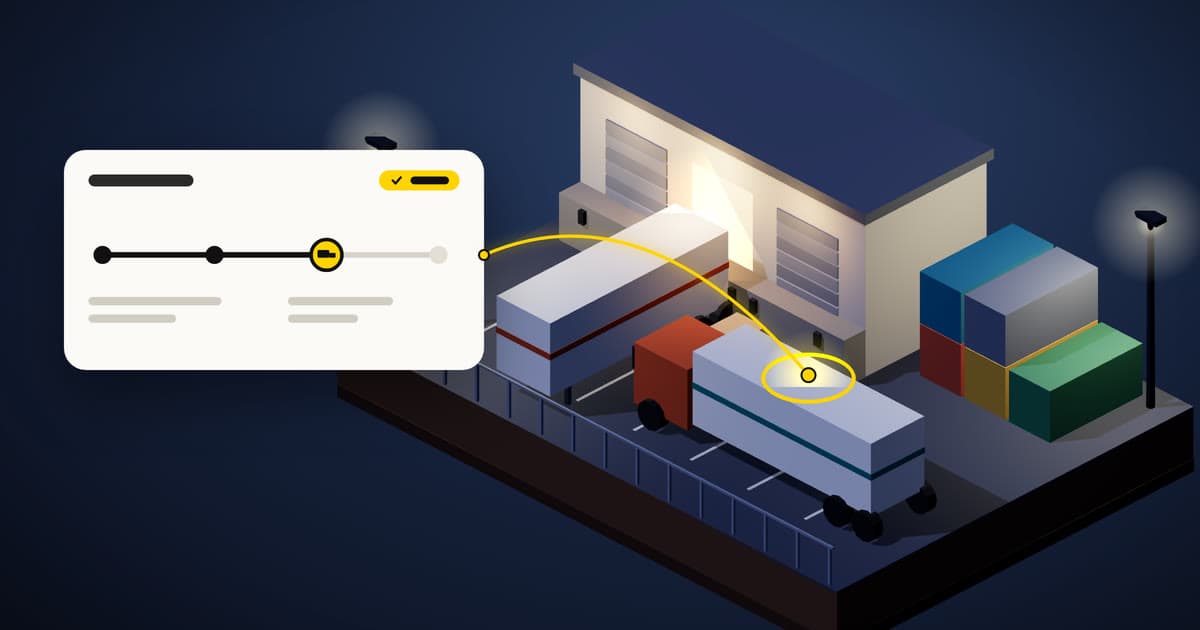
An AI agent for freight status updates answers "where is my load?" by reading the load record your TMS already keeps. It can also send each account a recurring status report in a format you agree with that customer. When something goes wrong, such as a missed window, it hands the problem to a named person with details attached.
Smarter Revolution, a US AI implementation firm, wrote this for operations leaders who want status questions off dispatch's plate without replacing the systems their team already runs. Our AI infrastructure optimization service covers the build work it describes. Our logistics page covers the wider picture.
Which status questions can an agent answer from existing data?
An agent can answer any status question whose answer already sits in a system it is allowed to read. The test is simple: if a dispatcher answers the question by looking something up, rather than by making a judgment, the lookup can be done by an agent. That includes where a load is right now, its current ETA, whether it has been picked up, whether it has delivered, the appointment time at the receiver and whether paperwork is ready. The agent reads the same load record your dispatcher would open, so the answer is only as good as that record. If check calls are late or ETAs are not updated in the TMS, the agent will repeat stale information with confidence. That is why the first step is not the agent. It is making sure the data behind the answer is current, complete and tied to the right customer, so each customer sees only their own loads.
Typical questions an agent can take:
- Location and ETA: "Where is load 48213 and when will it arrive?"
- Milestones: "Has it picked up?" "Did it deliver?"
- Appointments: "What time is the delivery appointment?"
- Recurring reports: a regular status summary for each account, at times you agree with them.
What does it mean to build an agent inside a TMS?
It means the agent works from the TMS records your team already uses, instead of a separate copy.
Some companies build their own agents. C.H. Robinson is one. Its April 2025 release describes in-house agents whose jobs include in-transit load checks.
You do not need a new TMS to do this. If your TMS has an API, an agent can usually be connected to it. Whether yours fits is something to confirm on a call, not assume.
Why should people stay in the loop?
Because some decisions cost money, change a promise to a customer or carry safety risk. An agent can gather the facts for those decisions, but a person on your team should make them.
Decisions that should stay with a person:
- Rate questions and accessorials, such as detention, layover and lumper charges.
- Claims and damage, including anything a customer wants on record.
- Rescheduling that affects another appointment, driver hours or a customer commitment.
- Safety issues and anything involving a driver in trouble.
- Unhappy customers. Someone who is already frustrated wants a person, not a status line.
How should an exception reach a person?
As a decision to make, not a raw alert. A late GPS ping or a missed check call is data. What the person needs is the load, the customer, what changed, what the customer has been told so far and the options. The agent can assemble that before it hands off, so the person starts from the facts instead of from the TMS search screen.
| Exception | Who should get it | What should come with it |
|---|---|---|
| ETA slips past the appointment | The load's dispatcher | Load, new ETA, appointment, customer contact |
| No location update | The carrier rep | Last GPS position, last contact, driver contact |
| Customer disputes a charge | The account manager | Load, charge, the customer's message |
| Possible damage or shortage | Claims owner | Load, delivery notes, photos if provided |
Decide who owns each exception type, how they are reached and how fast they respond, day and night. An exception sent to an inbox nobody watches helps no one.
What has to be in place before connecting a dispatch or tracking system?
Four things, agreed before anything is built:
- Current data. ETAs, check calls and milestones must be updated in the system the agent reads.
- Access rules. Each customer sees only their own loads. Staff see what their role allows.
- A connection. API access to the TMS and any tracking or visibility tool, set up with your IT owner.
- An owner for exceptions. A named person or team for each exception type.
This is the work Smarter Revolution's infrastructure service covers: getting the data behind one costly workflow into usable shape, connecting the systems that hold it, setting access rules, wiring results into the tools your team already opens and monitoring it after launch.
Should the agent answer by phone, chat or email?
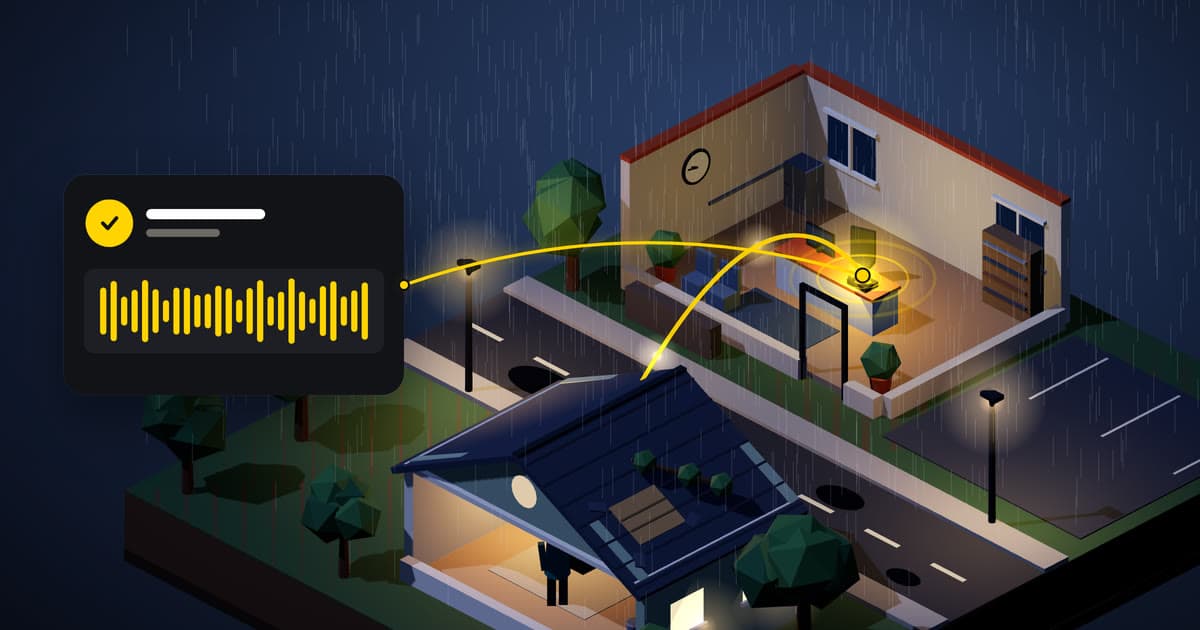
Wherever your status questions arrive today. If customers call for status, an AI voice agent can answer inbound calls around the clock, look up the load, give the status and route anything else to a person with the context attached, leaving a recording, transcript and summary for every call. Before you turn on call recording, confirm the consent requirements with your counsel. Connected to your TMS through the same infrastructure work, a chatbot on your website can answer the same questions in writing. For email, an agent can draft the reply from the load record for a person on your team to review and send. Our guide to an AI receptionist for contractors walks through which calls an agent should take and which should go to a person.
How do you start with one workflow instead of ten?
Pick the status workflow that takes the most staff time today. That might be scheduled customer status reports or inbound "where is my load?" calls. Build that one, run it next to the current process, compare the answers with what dispatch would have said, and only then add the next workflow.
That is how Smarter Revolution works. A free 30-minute scoping call looks at where status questions come from, which systems hold the answers and who owns exceptions. You get a written plan. We charge one fixed price to build your system and one monthly fee to run and improve it, both agreed in writing before work starts. The build takes weeks, not quarters, counted from when we have the access and approvals we need. We do not replace your TMS. We build into what your team already opens every day, then keep running it.
To pick the first workflow for your operation, book a call.
Frequently asked questions
Will an AI agent replace our dispatchers?
That is not what it is built for. It takes routine status work off your team so dispatchers can spend their time on exceptions, carriers and customers. Decisions about money, schedules and safety stay with your team.
What if our TMS data is not up to date?
Then the agent will repeat out-of-date answers. Fix how ETAs and check calls are recorded first. Getting that data into usable shape is part of the build.
Can the agent send different reports to different customers?
Yes. You agree the content and timing with each account, and the agent builds every report from the same load records.
Can customers see other customers' loads?
They should not. The design sets access rules before launch so that each customer is matched only to their own loads.
Does this work with any TMS?
If it has an API, it can usually be connected. Whether your specific TMS fits is confirmed on the scoping call.
The bottom line
An AI agent for freight status updates is a lookup with good manners: it reads the load record, answers the customer and hands real problems to a named person with the facts attached. It is only as good as your data, so start there. Pick one status workflow, build it inside the systems you already run and keep people on every decision that costs money or changes a promise.
Sources
- C.H. Robinson press release, April 16, 2025: chrobinson.com
Mark Alouf
Smarter Revolution is a US team that builds AI into a company's real workflows and then runs it for them. We start with one workflow and add the next when you are ready.